regulation · cbd · scheduling
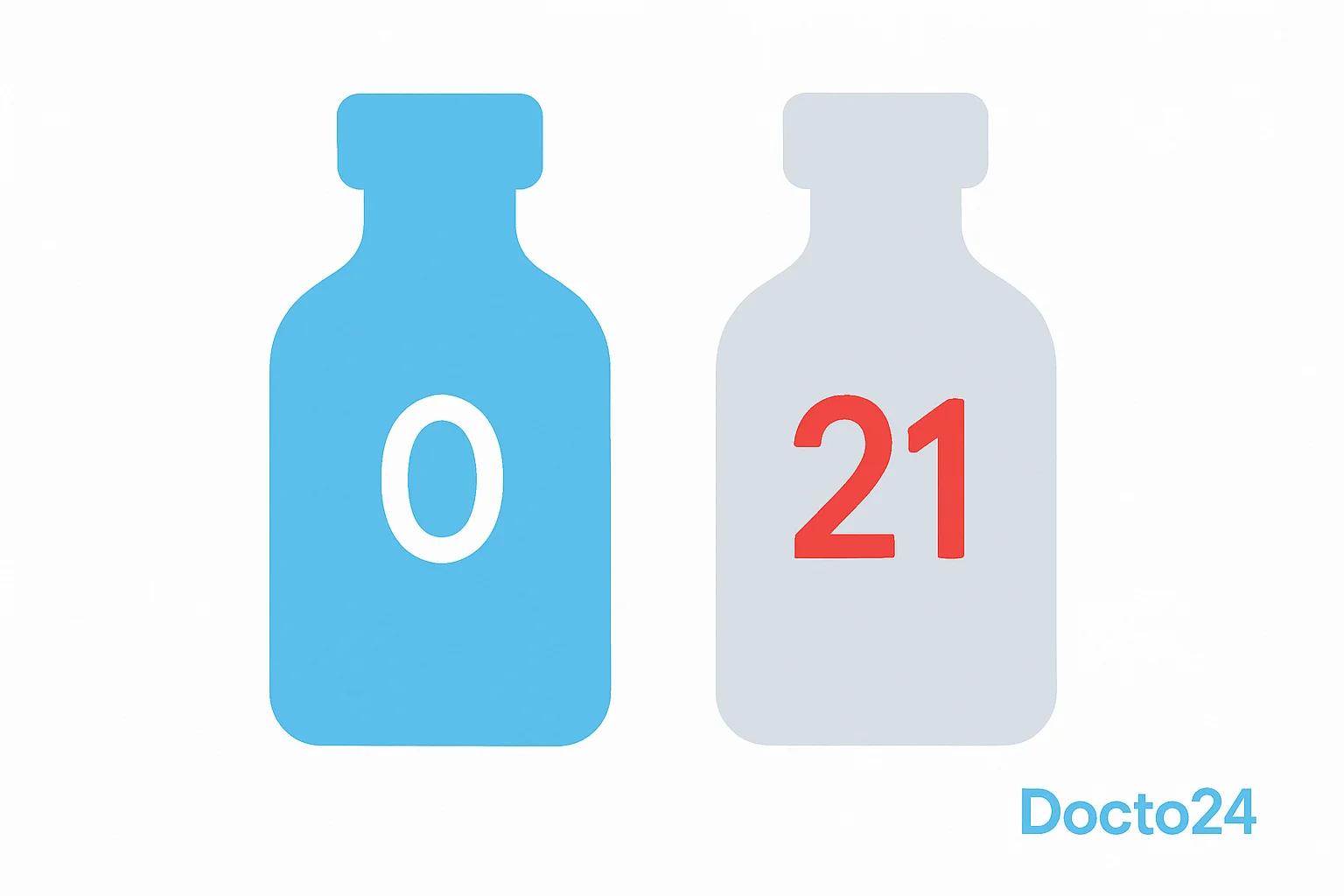
Cannabidiol (CBD) products in South Africa — Schedule 0 vs Section 21 explained
Last reviewed · Reviewed by Dr. Medical Director — Docto24 panel
You can buy low-dose CBD over-the-counter in any SA pharmacy under Gazette 43347, but clinically relevant doses require Section 21 access. Here is the regulatory split, why it exists, and what it means for patients.
A patient who has researched CBD often arrives at Docto24 with a reasonable question: if CBD is sold over-the-counter at every Clicks and Dis-Chem in South Africa, why would I need a Section 21 prescription? The answer is that two distinct regulatory tracks exist in parallel, and which track applies depends entirely on what dose and what claim you are after.
The Schedule 0 carve-out — Gazette 43347
In May 2020, Government Gazette 43347 reclassified low-dose CBD products as Schedule 0 — over-the-counter — under specific conditions. The conditions matter:
**Maximum 600 mg of CBD per pack** — total CBD in any saleable container must not exceed 600 mg.
**Maximum 20 mg per recommended daily dose** — the labelled daily dose may not exceed 20 mg.
**General-health claims only** — products may be marketed for "general wellness" but cannot make disease-specific therapeutic claims (cannot say "treats anxiety", "treats epilepsy", "treats arthritis").
This carve-out is the legal foundation for the broad consumer CBD market in South Africa. Most consumer CBD oils, capsules, and topicals you see at retail comply with these limits.
Why those limits exist
The 20 mg per dose ceiling is deliberately set below the threshold at which CBD demonstrates consistent therapeutic effects in controlled trials. Anti-seizure use of CBD typically requires 5–25 mg per kilogram body weight per day — for an 80 kg adult that is 400–2000 mg daily, vastly above the Schedule 0 ceiling. Anxiolytic effects in controlled trials typically use 300–800 mg single doses. Sleep adjunct doses are 25–75 mg.
The point is not that 20 mg is useless — some patients report subjective benefit at this dose — but that the regulator drew the line where evidence does not yet support unsupervised therapeutic use. Above that line, the product needs a clinician in the loop.
When Section 21 access matters
**Anti-seizure use** in confirmed epilepsy syndromes (Dravet, Lennox-Gastaut, tuberous sclerosis-related) requires pharmaceutical-grade CBD at therapeutic doses, which is Section 21 access under specialist oversight.
**Refractory anxiety disorders** where conventional therapy has been inadequate and a clinician judges a controlled CBD trial is warranted — this is also Section 21, because the dose required is above the Schedule 0 ceiling.
**Pain or inflammatory conditions** where CBD is being used as part of an evidence-informed regimen — again, therapeutic doses sit above the Schedule 0 ceiling.
**CYP450-interacting medication regimens** — even at lower CBD doses, if you are on warfarin, clobazam, valproate, tacrolimus, or several other CYP-substrate medications, the prudent path is clinician-supervised dosing rather than over-the-counter purchase.
What this means for how to buy CBD in SA
For general wellness curiosity, low-dose Schedule 0 CBD is legally available and reasonable to try, with the understanding that effects at those doses are mild and not therapeutically validated. Read product labels for actual cannabinoid content — many consumer products quote "hemp extract" without specifying CBD milligrams.
For any indication where a specific clinical effect is being targeted (seizure control, refractory anxiety, sleep disturbance not responding to first-line treatment), the Schedule 0 framework is not the right pathway. Section 21 with clinical assessment, dose-titration, and interaction review is what the medical evidence supports.
Glossary terms in this article
Related conditions
Researching whether the Section 21 cannabis pathway is right for you? The eligibility assessment takes around five minutes.
START ELIGIBILITY ASSESSMENT